
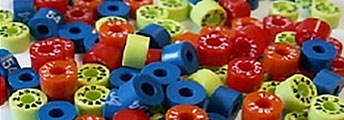
Diamond Disc Files for Clean Cutting and Grinding of Hard Materials
Quick answer: Clean cutting and grinding of hard materials require a tool that provides a hard, abrasive working surface with controlled material removal. Diamond Disc Files offer this through a diamond-coated, rotating disc design suited to cutting, grinding, shaping, and finishing, while related options such as Diamond Flat Files, Diamond Needle Files, and PCB End Mills serve different applications and working requirements.
When you are working with a hard material, the shape and surface of your tool can make a real difference. Diamond Disc Files give you a circular, diamond-coated working surface for cutting, grinding, shaping, and finishing. We offer these files in different sizes and grit specifications, so you can look at the details of your application before choosing a suitable option.
What Are Diamond Disc Files?
Diamond Disc Files are disc-shaped tools with a diamond-coated working surface. Their circular design provides a rotary approach for cutting, grinding, shaping, and finishing hard materials.
The diamond coating is an important part of the tool. Hard materials often require an abrasive surface capable of controlled material removal. Diamond provides that hard abrasive surface, making it useful for demanding filing and finishing applications.
The disc shape also sets these files apart from traditional files. A traditional file generally gives you a longer filing surface that moves across the material. A disc file takes a different path. Its circular working surface is suited to rotary applications where a smaller, more focused contact area is preferable.
We offer several Disc File sizes, including 1/2-inch, 5/8-inch, 7/8-inch, and 1-1/4-inch diameters. Our selection also includes different diamond grit, inside diameter, and thickness specifications. That gives you room to match the tool to the physical requirements of your work.
For precision work, that difference can matter. When you are working around a small area or need controlled removal from a hard surface, the size and shape of the working surface become part of the decision.
Why Diamond Disc Files Work Well on Hard Materials
Hard materials can be challenging when you need to remove material without losing control of the work. Diamond Disc Files provide a diamond-coated abrasive surface in a compact rotary format.
That combination can be useful for several types of work. You may need to remove material from a hard surface, refine an edge, shape a small section, or complete finishing work after another machining process.
We look at controlled removal as the difference between using a tool like a chisel and using it like a pencil. You do not always need to remove a large amount of material. Sometimes, you need to work on a specific area while keeping the surrounding surface as unaffected as possible.
The available grit also gives you another specification to consider. Our current Disc File range includes 100-grit and 170- and 200-grit options. The right choice depends on the application and the type of finish or material removal you need.
Diamond Disc Files can therefore fit jobs where a hard abrasive surface and a compact, rotating format work together.
Diamond Disc Files vs. Other Diamond Files
Not every filing job calls for a disc. We offer several Diamond Files, and their different shapes help you approach different types of work.
Diamond Flat Files provide a flat filing surface. This can make them a natural choice when you need to work across an edge or surface where a flat profile fits the job. Our Diamond Flat Files are available in different diamond grits, diamond sections, overall lengths, and thicknesses.
Diamond Needle Files have a smaller, more slender form. Their profile can be useful when you are working on detailed areas or spaces where a larger file does not fit as easily. We offer Diamond Needle Files in various dimensions and grit options, including 140- and 80-grit products.
So, when you are choosing between Diamond Disc Files, Diamond Flat Files, and Diamond Needle Files, the shape of your work area matters just as much as the material. Each tool brings a different form to the job rather than simply being a smaller or larger version of the same product.
Diamond Disc Files vs. PCB End Mills
Our PCB End Mills include 1-flute PCB-Teflon, 2-flute PCB, and 4-flute PCB Slot Mills. We list these tools for machining PCB materials such as Teflon and other PCB substrates, as well as plastics and Lexan.
That purpose is different from the work handled by Diamond Disc Files. A disc file uses a diamond-coated disc format for cutting, grinding, shaping, and finishing hard materials. A PCB End Mill uses an end-mill design for specific machining applications.
The difference becomes simple when you look at the material and the job. If you are working on a PCB milling application, PCB End Mills are designed around that type of machining. If your work calls for a diamond-coated disc for cutting, grinding, or finishing a hard material, our Diamond Files belong in that conversation.
Applications of Diamond Disc Files
The best way to think about Diamond Disc Files is through the type of work you need to complete. Their circular format and diamond-coated surface can support several material-removal and finishing tasks.
Common applications include:
- Cutting hard materials
- Grinding hard surfaces
- Shaping specific areas
- Refining edges
- Removing controlled amounts of material
- Completing detailed finishing work
We also provide diamond-coated rotary and flat files for applications that require long-wearing diamond tools. Our Diamond Files are used in areas such as ceramic casting, including hand finishing of ceramic cast parts and rotary flex files for CNC machining of ceramic airfoil castings.
The disc format can be particularly useful when the working area suits a circular tool. Instead of trying to make one file shape work for every surface, you can choose the format that matches the movement and contact area required by the job.
That is where Diamond Disc Files become useful. The diamond coating handles the abrasive side of the work, while the disc shape gives you a different way to approach the surface.
Choosing the Right Diamond Disc File
The material you are working on matters, but so do the amount of material you need to remove, the finish you want, and the available working space.
Start with the disc diameter. We offer options from 1/2 inch to 1-1/4 inches, giving you a range of working sizes to consider.
Then look at the grit. Our current Disc File range includes 100-grit and 170- and 200-grit options. The grit specification is another factor in matching the tool to your work.
Thickness and inside diameter matter as well. These dimensions affect how the disc fits into your particular setup, so they are worth checking alongside the diameter and grit.
The shape of the work area can also guide the decision. A circular disc may make sense for one application, while Diamond Flat Files or Diamond Needle Files may suit another. The goal is not to pick the most general tool. It is to choose the tool whose shape and specifications fit the work you actually need to do.
Frequently Asked Questions
What sizes of Diamond Disc Files do we offer?
We offer Disc Files in 1/2-inch, 5/8-inch, 7/8-inch, and 1-1/4-inch diameters, with various grit, inside diameter, and thickness options.
How are Diamond Disc Files different from Diamond Flat Files?
Diamond Disc Files have a circular working surface for rotary applications, while Diamond Flat Files have a flat filing surface. The right option depends on the shape of the work area and the type of material removal required.
Are PCB End Mills another type of diamond file?
No. PCB End Mills are a separate tooling category designed for specific PCB machining applications. Our Diamond Disc Files are part of our Diamond Files range and are intended for cutting, grinding, shaping, and finishing hard materials.
Choose a Diamond Disc File for Your Application
The right tool can make a hard material easier to work with, especially when the tool shape matches the job. Our Diamond Disc Files come in various diameters, grit specifications, inside diameters, and thicknesses to suit different applications. Browse our Diamond Disc Files today.